

Why E-Scooter Accidents Are Creating New Legal Questions in Downtown Tampa
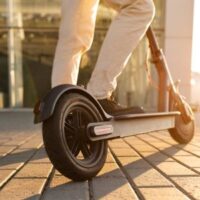
Anyone who has spent time downtown has seen them: shared e-scooters gliding past pedestrians, rideshare cars, and delivery bikes. When one of those encounters ends in an injury, the legal picture can look very different from a typical car crash. Tampa e-scooter accident lawyers are fielding questions that Florida’s traffic laws only partly answer, and those answers can shape whether an injured person is able to recover compensation at all.
Florida Law Treats Scooters More Like Bicycles Than Cars
Under section 316.2128, Florida Statutes, the operator of a motorized scooter or micromobility device has the rights and duties of a bicycle rider. The same statute says these devices do not have to meet the registration and insurance requirements that apply to cars, and a rider does not need a driver license. It also leaves room for cities to adopt their own ordinances governing where scooters can operate.
That framework is the starting point for nearly every downtown scooter dispute.
Who Pays When No One Is Required to Carry Insurance?
Because scooters are exempt from the insurance rules that apply to cars, an injured pedestrian, driver, or rider cannot assume a liability policy stands behind the scooter involved. Depending on the facts, other sources of recovery may exist, such as another driver’s coverage, a company that supplies shared scooters, a property owner, or the injured person’s own insurance. Which of these apply turns on the specifics of each crash.
Tampa’s Local Rules Add Another Layer
In 2024, the City of Tampa announced rules requiring riders of shared e-vehicles to park in approved docking stations and barring them from certain areas, including the Tampa Riverwalk, Bayshore Boulevard, and 7th Avenue in Ybor City. A rider in a restricted zone, or a scooter left across a sidewalk, can become an important fact when fault is sorted out.
Questions That Tend to Decide These Cases
- Was the scooter being ridden somewhere the city allows?
- Did a driver fail to check a bike lane before turning or opening a door?
- Was a scooter left where it created a tripping or collision hazard?
- Did a defect in the road or sidewalk play a part?
- Did the device itself malfunction?
Fault and Deadlines Matter More Than Ever
Florida’s modified comparative fault rule, found in section 768.81(6), generally bars recovery for a person found more than 50 percent at fault for their own harm. Insurers may point to a rider’s choices to push that percentage higher. Deadlines are tighter, too: for negligence claims that arose after March 24, 2023, section 95.11 generally allows two years to file suit.
The need for clear answers is growing. The U.S. Consumer Product Safety Commission reported that micromobility injuries rose nearly 21 percent in 2022 compared with 2021, with fractures among the most common injuries.
Talk to Someone Before the Evidence Disappears
Scooter crashes leave little behind. App data, camera footage, and witness memories can fade quickly. If you were hurt downtown, the Tampa personal injury attorneys at Florin Gray can help you figure out who may be responsible and what is worth preserving. Reach out to Florin Gray to start that conversation.
Sources:
flsenate.gov/Laws/Statutes/2025/0316.2128
tampa.gov/node/146491
cpsc.gov/Newsroom/News-Releases/2024/E-Scooter-and-E-Bike-Injuries-Soar-2022-Injuries-Increased-Nearly-21
